
Jenolan's Platypuses: Research, Restoration and Resilience
Jenolan’s Blue Lake is one of the most reliable places in Australia to observe platypuses in the wild. Despite their popularity, little was known about the movements, health and ecology of the resident platypus population until recent studies began.
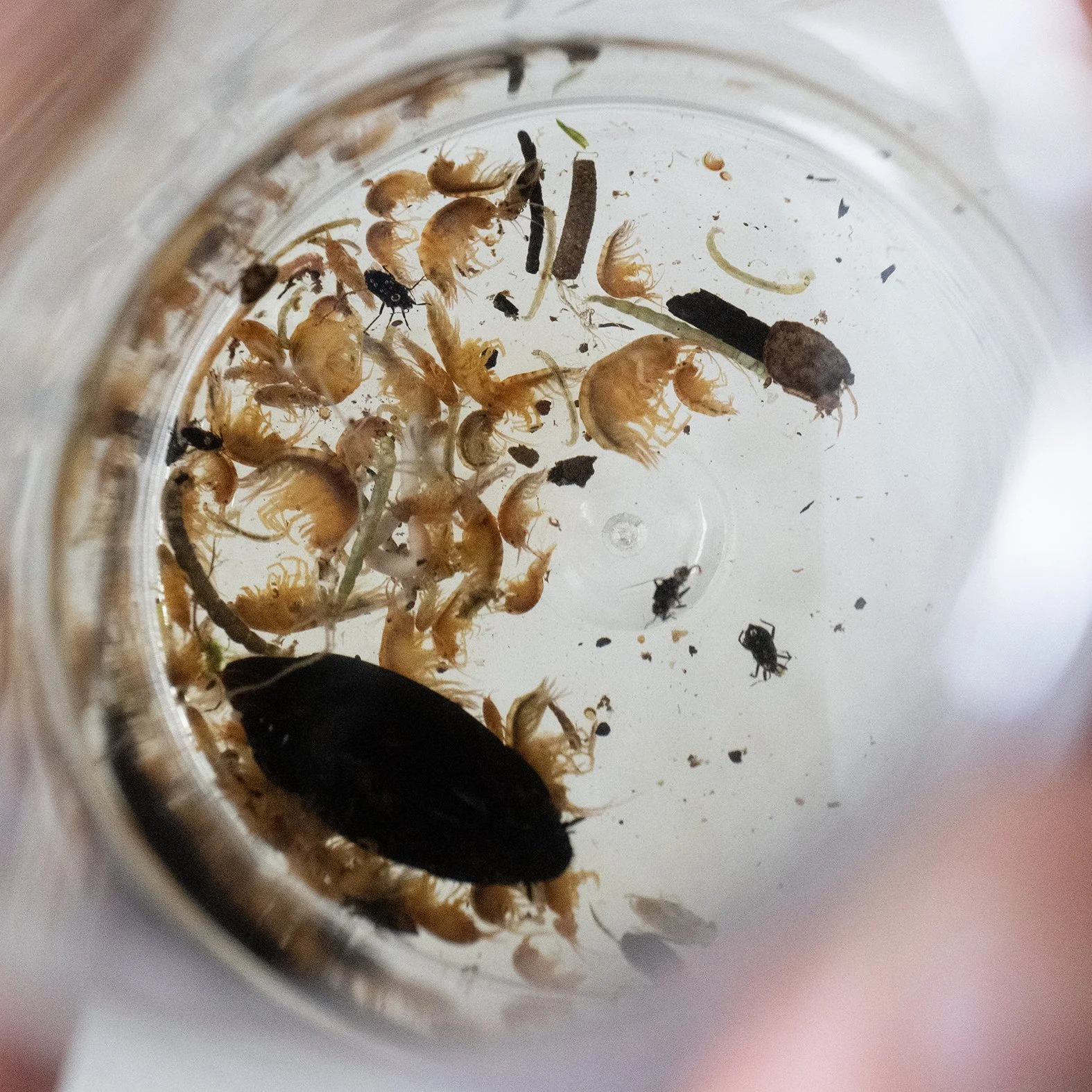
The Blue Lake provides ideal platypus habitat, with stable banks for burrows and a supply of macroinvertebrates, the platypus’s primary food source. The lake also connects to underground waterways flowing through the Jenolan cave system, creating a unique habitat occasionally explored by platypuses.
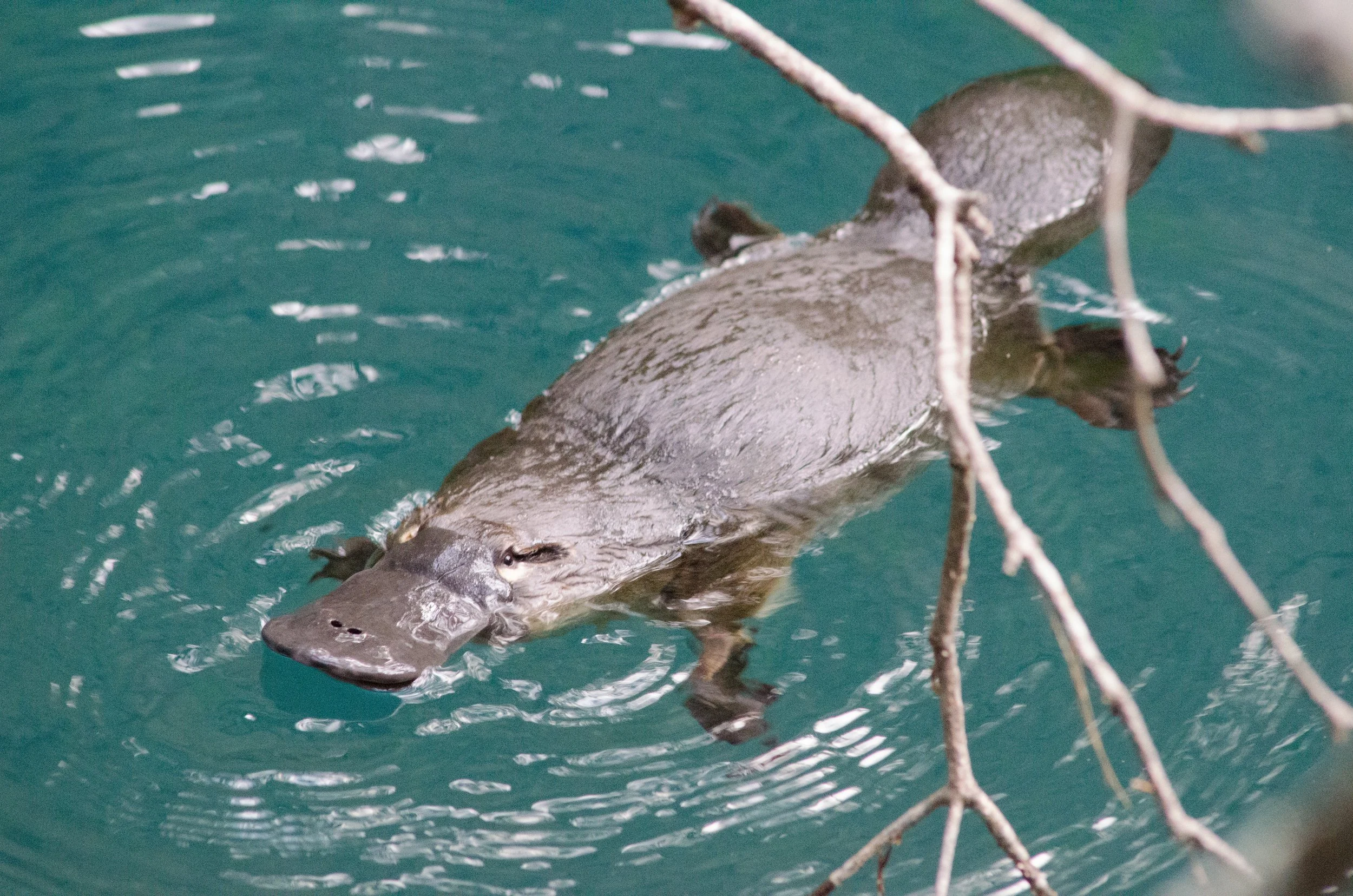
Blue Lake platypus. Photo: Anne Musser/Jenolan Caves
Initial study
Since late 2019, Jenolan Karst Conservation Reserve has been subject to numerous natural disasters, including bushfire and major floods that significantly affected the Blue Lake, which has filled repeatedly with sediment (soil, rocks and gravel), and that also caused Jenolan’s current closure to the public in 2024.
Removal of sediment from the lake is necessary to restore habitat, and researchers launched a dedicated platypus monitoring program to help protect both the animals and their habitat. Between 2020-2022, researchers from Jenolan Caves, UNSW and DCCEEW conducted a study using direct observation, remote cameras and environmental DNA sampling to better understand the local population and their response to the earthworks. A mix of different-sized rocks was laid at the shallow end of the lake post-works to encourage macroinvertebrate recolonisation, since many would be lost through the desedimentation process.
The study revealed that platypuses used man-made infrastructure and entered cave outflows, and documented remarkable overland movements and successful breeding events for the first time on the reserve. The findings were published in two peer-reviewed papers in Australian Mammalogy (Musser et al. 2024, 2025).
Active Conservation: Waterbug Hotels
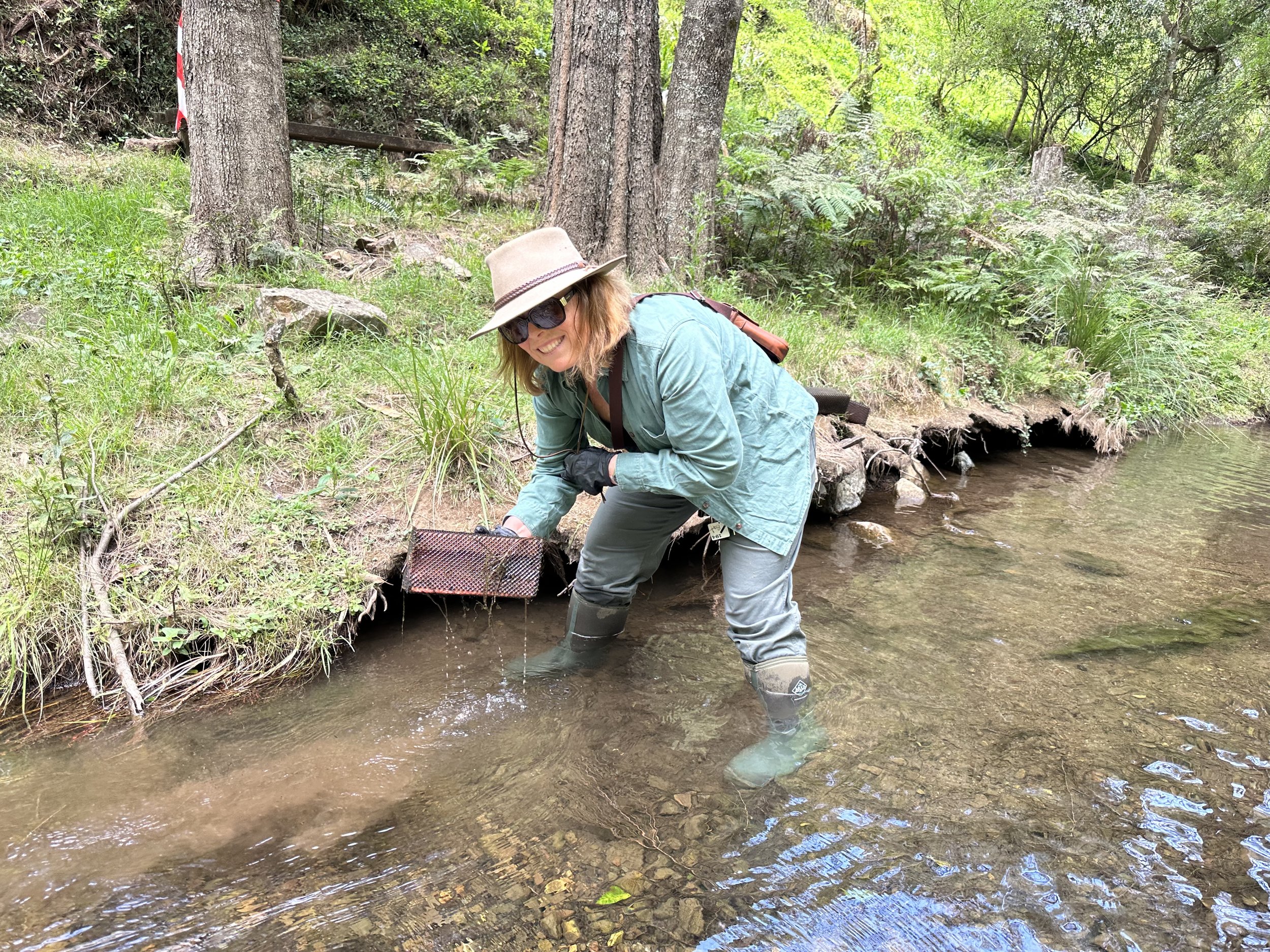
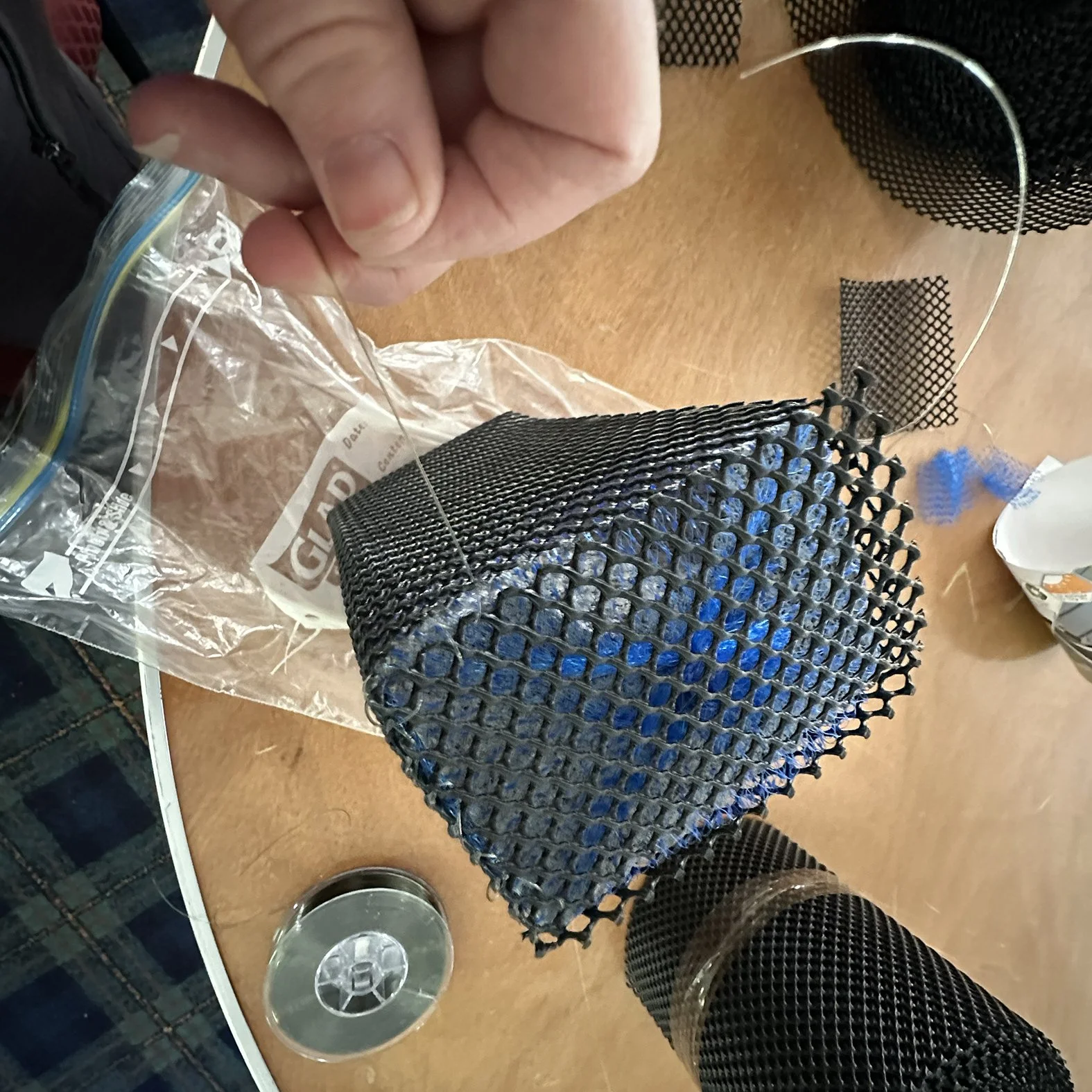
Jenolan is also actively improving platypus habitat through the installation of ‘waterbug hotels’. Built by staff using mesh and bricks, these structures are placed downstream where macroinvertebrates are plentiful; macroinvertebrates will then colonise them before the ‘hotels’ are transferred into the Blue Lake to help boost an important food source for platypuses while providing a practical conservation tool.
Ongoing monitoring, health and environmental assessments
In 2024, four new team members from Western Sydney University and Charles Sturt University joined the research team to expand the collaborative study. The team are capturing, doing health assessments on and microchipping platypuses, while also studying water quality and macroinvertebrates, in order to assess the health of Jenolan's platypuses, their habitat and their food sources. Researchers have identified at least ten individual platypuses to date and recorded further evidence of successful breeding, demonstrating that platypuses continue to thrive within the reserve.
This ongoing work is providing valuable insights into platypuses living in a unique environment and will help guide conservation management at Jenolan and beyond.
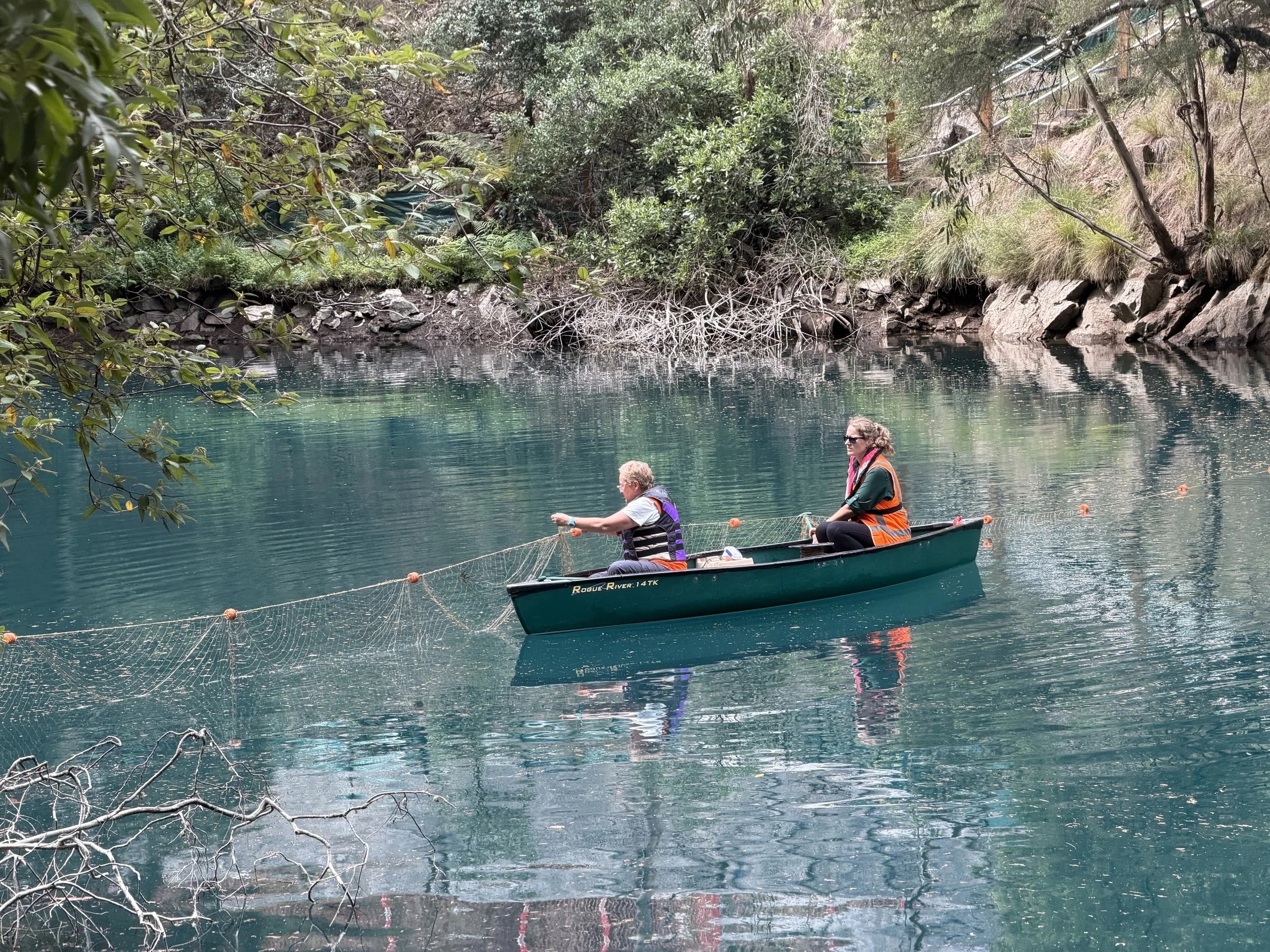
Checking nets at the Blue Lake: unweighted mesh nets are used to capture platypuses and need to be checked regularly for sticks or snags. Photo: Anne Musser/Jenolan Caves
Meet the research team
Dr Anne Musser
Anne has worked at Jenolan for over 17 years and lives onsite. She has a PhD in monotreme palaeontology, studying platypuses, echidnas and their extinct relatives, and is a Research Associate of the Australian Museum. Anne has been monitoring platypuses at Jenolan since 2020 as part of her role on the research team.
Dr Tom Grant
Tom Grant, whose career in platypus biology began in the 1970s, is a retired platypus researcher with a continuing interest in the species, especially its ecology and conservation. Tom is currently Adjunct Senior Lecturer in the School of Biological, Earth and Environmental Sciences at the University of New South Wales.
Dr Eren Turak
Eren Turak is a principal scientist at the NSW Department of Climate Change, Energy, the Environment and Water (DCCEEW). Eren conducts biological monitoring and environmental sampling at hundreds of river reference sites, including the Jenolan River, and has developed biodiversity monitoring methods like the CyberTracker app in use at Jenolan.
Dr Michelle Ryan
Michelle, a Senior Lecturer at Western Sydney University, is a freshwater ecologist passionate about healthy rivers and thriving wildlife. She is a Hawkesbury-Nepean Waterkeeper and leads the Hawkesbury-Nepean Platypus Project, collaborating with communities, government agencies and conservation partners to better understand and protect platypus populations and their habitat.
Dr Katherine ‘Kat’ Warwick
Kat is a Postdoctoral Research Fellow at Western Sydney University with a passion for protecting Australia’s unique freshwater wildlife. Her research focuses on platypuses and macroinvertebrates and the impacts of environmental contaminants, including PFAS, heavy metals and microplastics, on aquatic ecosystems.
Dr Joanne Connolly
Jo is a veterinarian with a PhD in platypus and koala health, and has taught veterinary science at Charles Sturt University for 21 years. Her wildlife interests include marsupial and monotreme health and disease, emerging disease in New Zealand wild birds, and post-release monitoring of macropods to identify indicators of successful wildlife rehabilitation.
Dr Geoff Dutton
Geoff has degrees in both Biological and Veterinary Sciences, with postgraduate qualifications in Conservation Biology. He has a PhD in Veterinary Marine Science and is retired from Charles Sturt University but continues to do animal search and rescue when the need arises as cofounder of Wildlife Rescue and Research.
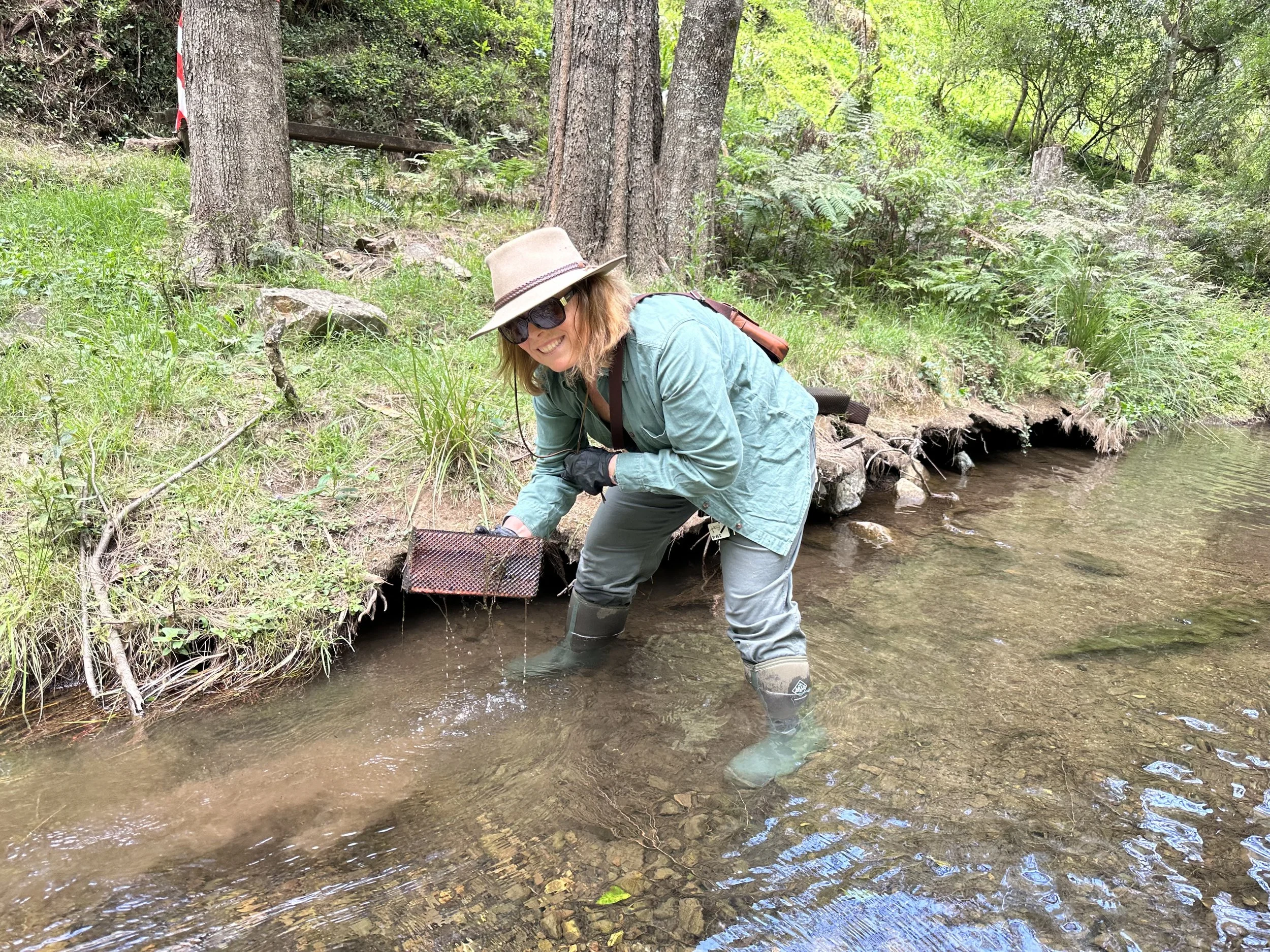
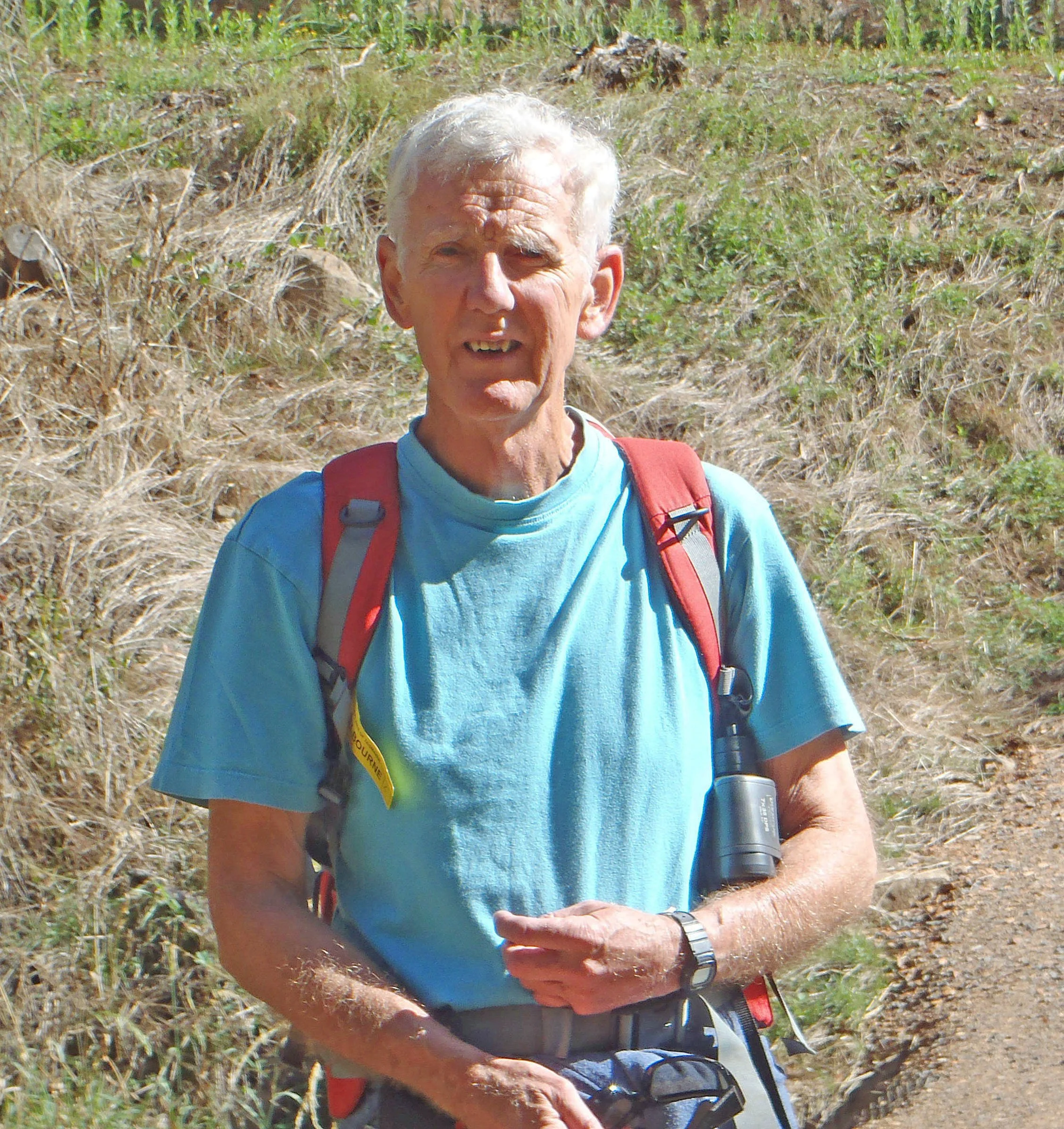
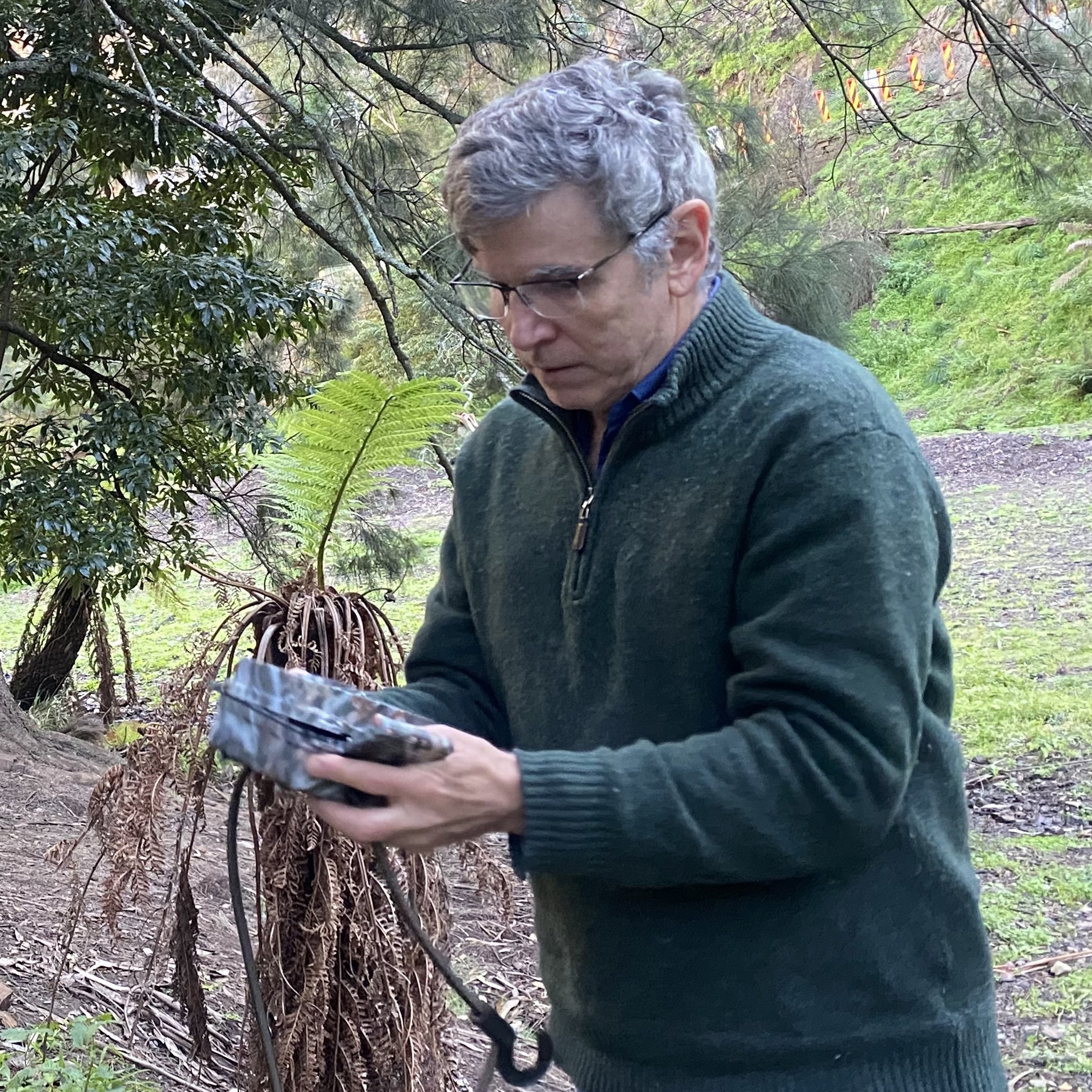
The initial research team (From left to right) Dr Anne Musser, Dr Tom Grant, Dr Eren Turak
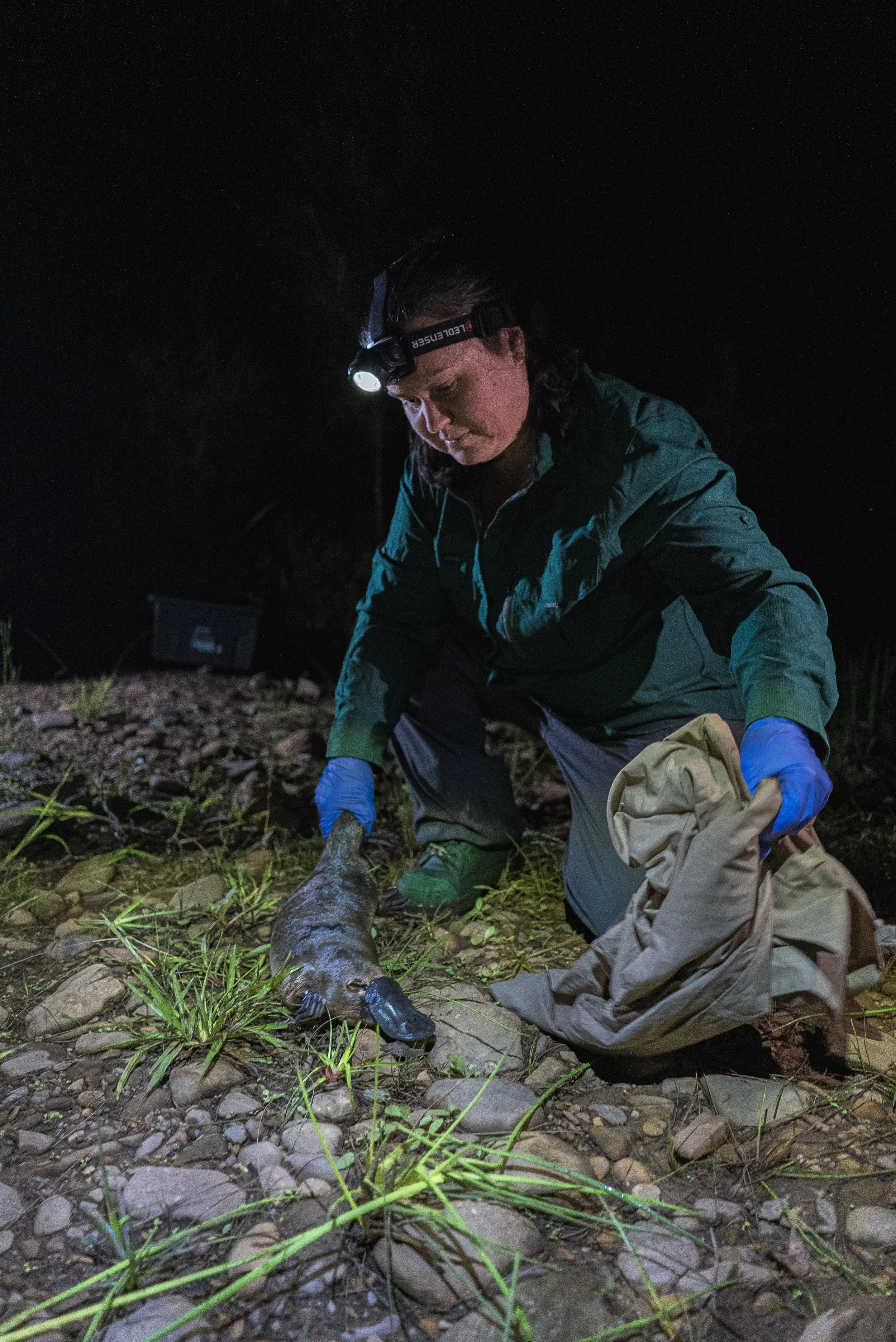
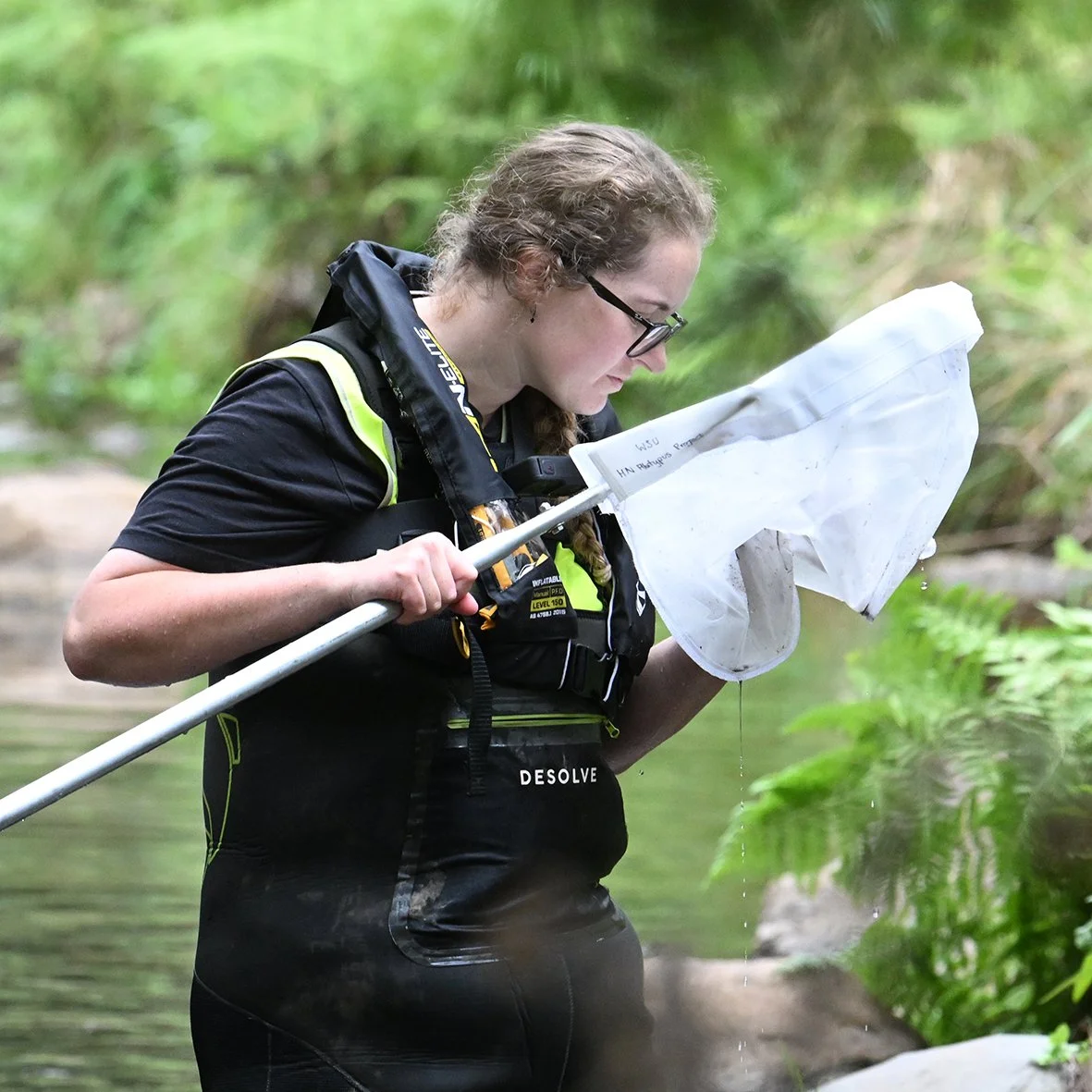
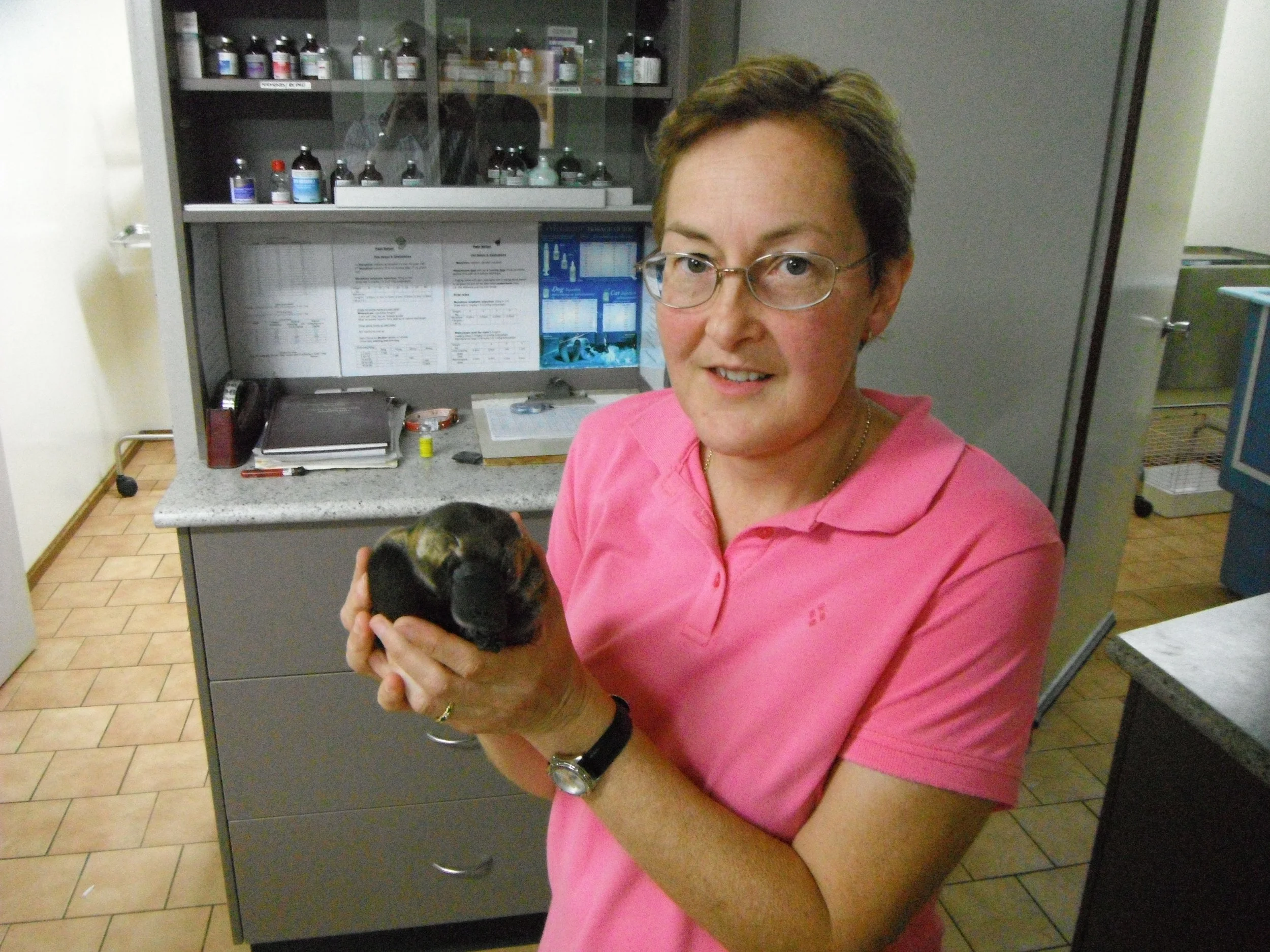
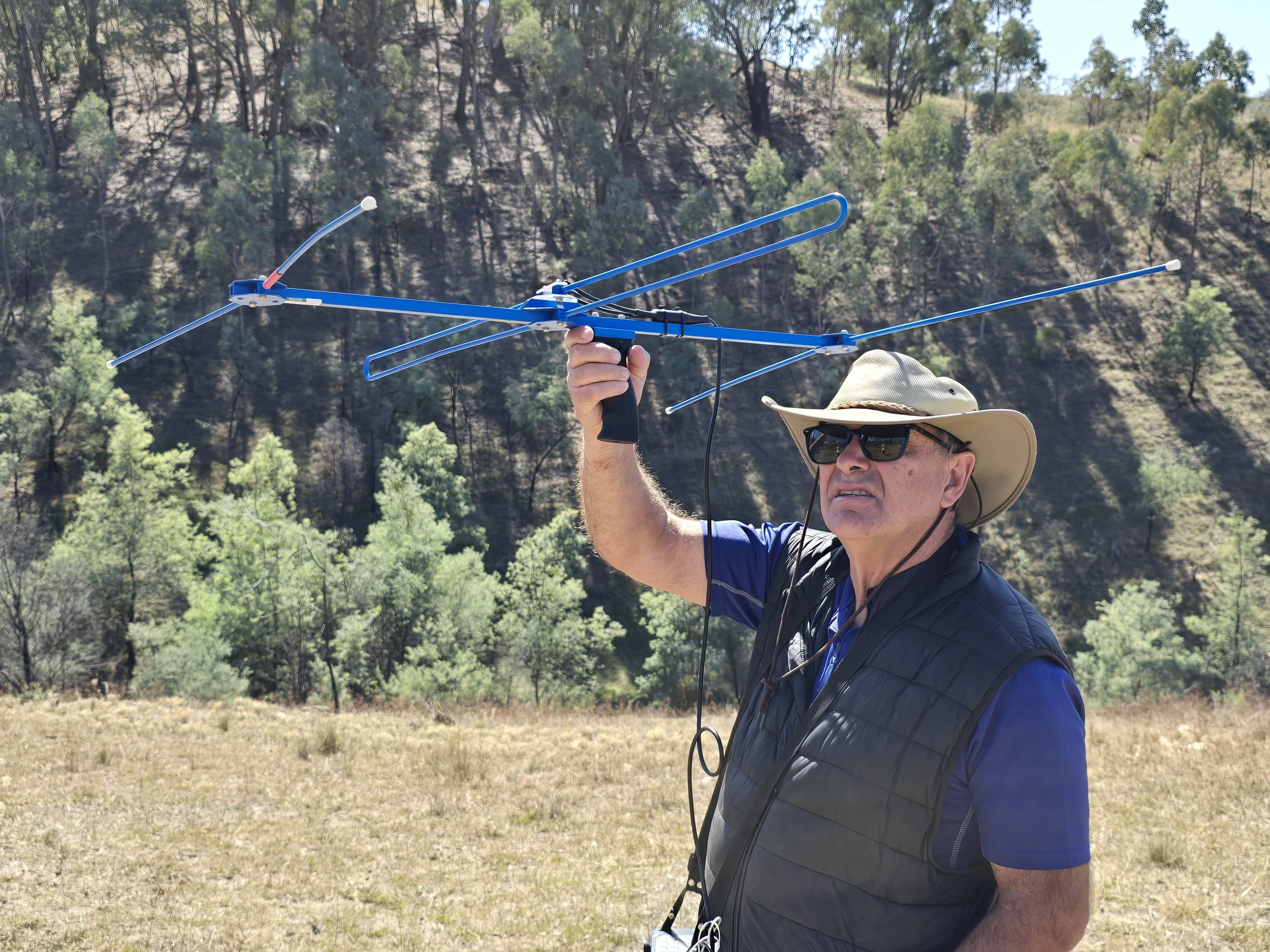
The new team members as of 2024 (From left to right) Dr Michelle Ryan, Dr Katherine ‘Kat’ Warwick, Dr Joanne Connolly, Dr Geoff Dutton
New Blue Lake experience for reopening
When Jenolan reopens in 2027, visitors will be able to experience the upgraded Blue Lake, including an accessible elevated boardwalk. With improved access and a healthy platypus population, the Blue Lake will continue to be one of Australia's best places to observe these remarkable animals in the wild.